Map the edges and the flow
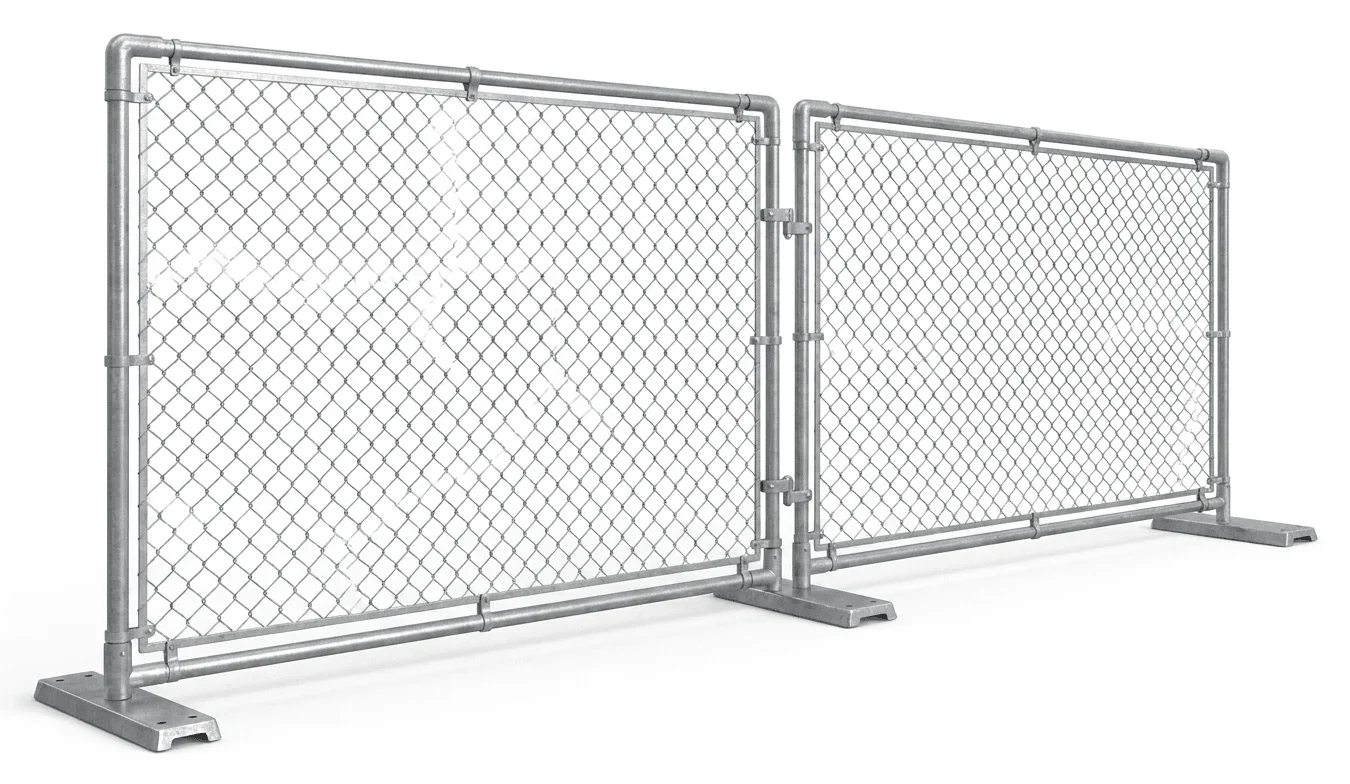
Start with where the fence or barricade line must sit. On slopes, panel bases may step to maintain height; on crowned roads, you’ll need stable footing so the line doesn’t wander. Identify: - Equipment gates sized for scissor lifts, booms, or telehandlers - Pedestrian routes with sightlines around corners - Delivery queue space that won’t block bridge approaches or site entries
Surface and stability
Frequent precipitation makes grass and aggregate surfaces slick. On soft ground, site-stability factors and base type matter more than panel height. On interior slabs at large facilities, non-marking requirements can influence foot choices and barricade styles around production aisles.
Work near elevated structures
When fencing is staged under elevated work, account for lift swing, overhead material drops, and night work lighting. Pairing barricades with light towers can improve visibility at intersections and staging pads; see /generators-light-towers-rental/ for placement considerations that avoid glare for operators.
Access for aerial equipment
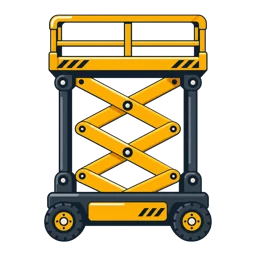
If booms or rough-terrain scissors will cross the fence line, gate width and turning radius must reflect their size and gradeability. Plan gate positions where slopes ease, not at the steepest curb cut. For machine comparisons, see /rough-terrain-scissor-lift-rental/, /boom-lift-rental/, and /articulating-boom-lift-rental/.
City routing constraints
Bridge height and weight limits can affect how fencing bundles are delivered to hillside neighborhoods and industrial corridors. Staging areas near the drop point reduce hand-carry distances and keep public ways open.