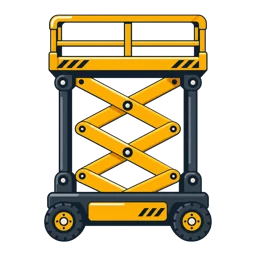
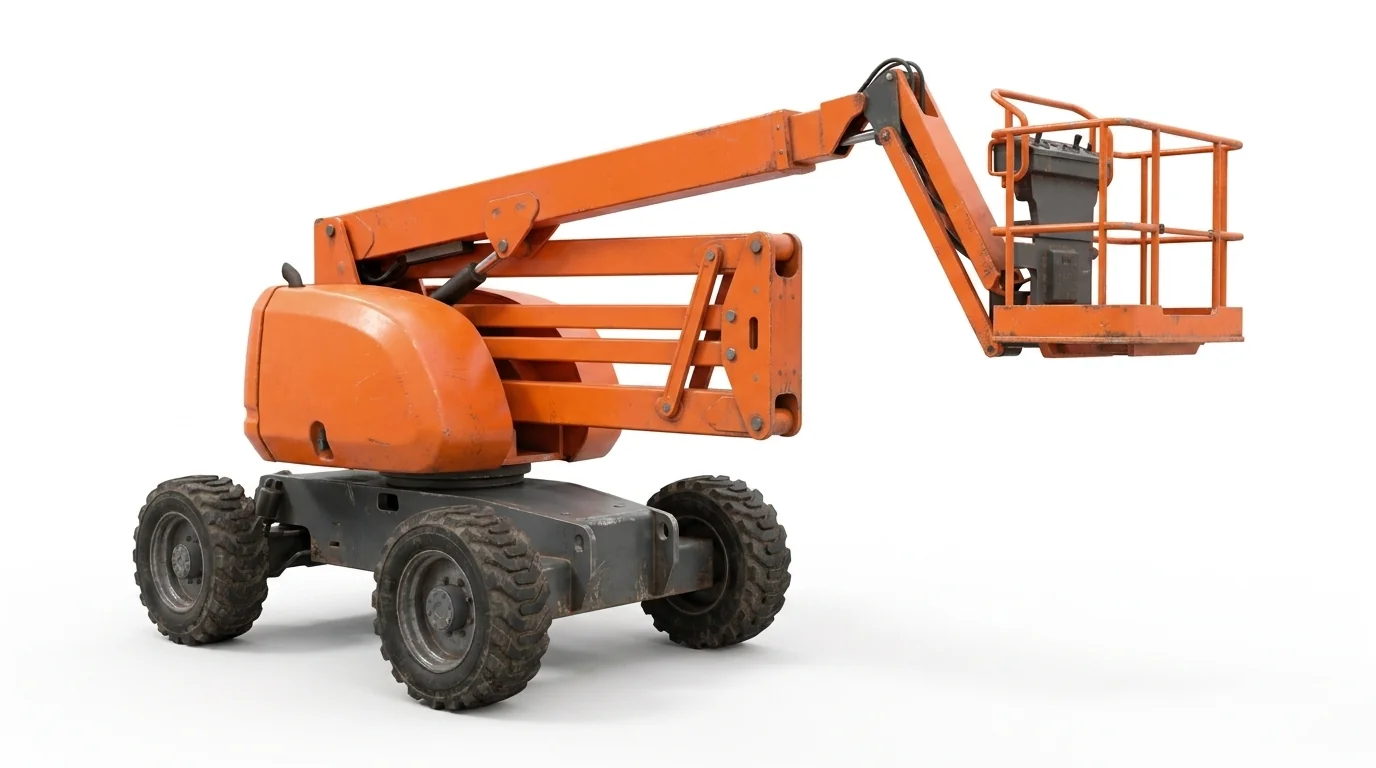
Pick by geometry first: vertical-only scissor access versus up‑and‑over boom reach, then filter for Pittsburgh’s slopes, weather, and transport limits.
Aerial work in Pittsburgh, PA spans interior maintenance in modern industrial buildings and exterior projects on uneven, sloped ground. The first call is whether the platform can sit below the task. If yes, a scissor lift is efficient. If not, articulating or telescopic booms provide reach over obstacles and setbacks. Bridge clearances and tight approaches also affect transport and on‑site routing.
Decision path
1) Can the machine sit directly under the work? If yes, consider Electric Scissor for interiors or Rough Terrain Scissor for exteriors.
2) Is there an obstruction or setback? Choose a boom: articulating for up‑and‑over tasks, or telescopic for straight reach with larger envelopes. Compare on Boom Lift Rental.
Pittsburgh constraints that shape aerial choices
Sloped streets, alleys, and variable yard grades make approach planning essential. Grade handling, outrigger needs, and turning room often decide the category before height does.
Frequent precipitation and freeze‑thaw cycles leave surfaces soft or slick, pushing outdoor tasks toward machines with suitable traction and ground pressure.
Large interiors require non‑marking tires, low emissions, and compact widths for doorways, while high bays still demand significant working height.
Scissor versus boom: quick comparables
Scissor lifts: vertical travel, larger platforms, efficient for ceiling grids, lighting, and linear façade sections.
Articulating booms: up‑and‑over clearance for work above equipment lines, canopies, or railings.
Telescopic booms: longer straight reach for open yards and high exterior elevations when ground allows positioning at a distance.
Actual site conditions, the selected unit’s instructions, and job procedures govern exterior or elevated work.
How do local bridge restrictions affect aerial lift delivery and selection?
Clearance and posted weight limits along a chosen route may restrict transport height or axle loads. In practice, that can favor narrower or lighter units for urban sites, or require alternate routing and staging windows near bridges. Confirm routing constraints before finalizing machine size.
What’s the advantage of articulating versus telescopic booms in Pittsburgh?
Articulating models handle up‑and‑over tasks around façade projections and industrial equipment common in the region. Telescopic units serve open sites where straight reach from set‑back positions is possible despite slopes or soft ground.
When do interiors in Pittsburgh still need a boom?
In high‑bay facilities with equipment lines, conveyors, or mezzanine edges that block vertical positioning, an articulating boom provides access without moving heavy assets. See [Boom Lift Rental](/boom-lift-rental/).