Site geometry first
Measure the pad and approach: - Can a delivery truck back straight to the set point, or is there a turn on a grade? - Is the pad firm enough to bear the load without sinking after rain? - Will doors open fully without hitting guardrail, fencing, or a curb crown? Even small changes in slope can affect door operation. Leveling blocks or a better pad location may be necessary for smooth access.
What needs to go inside
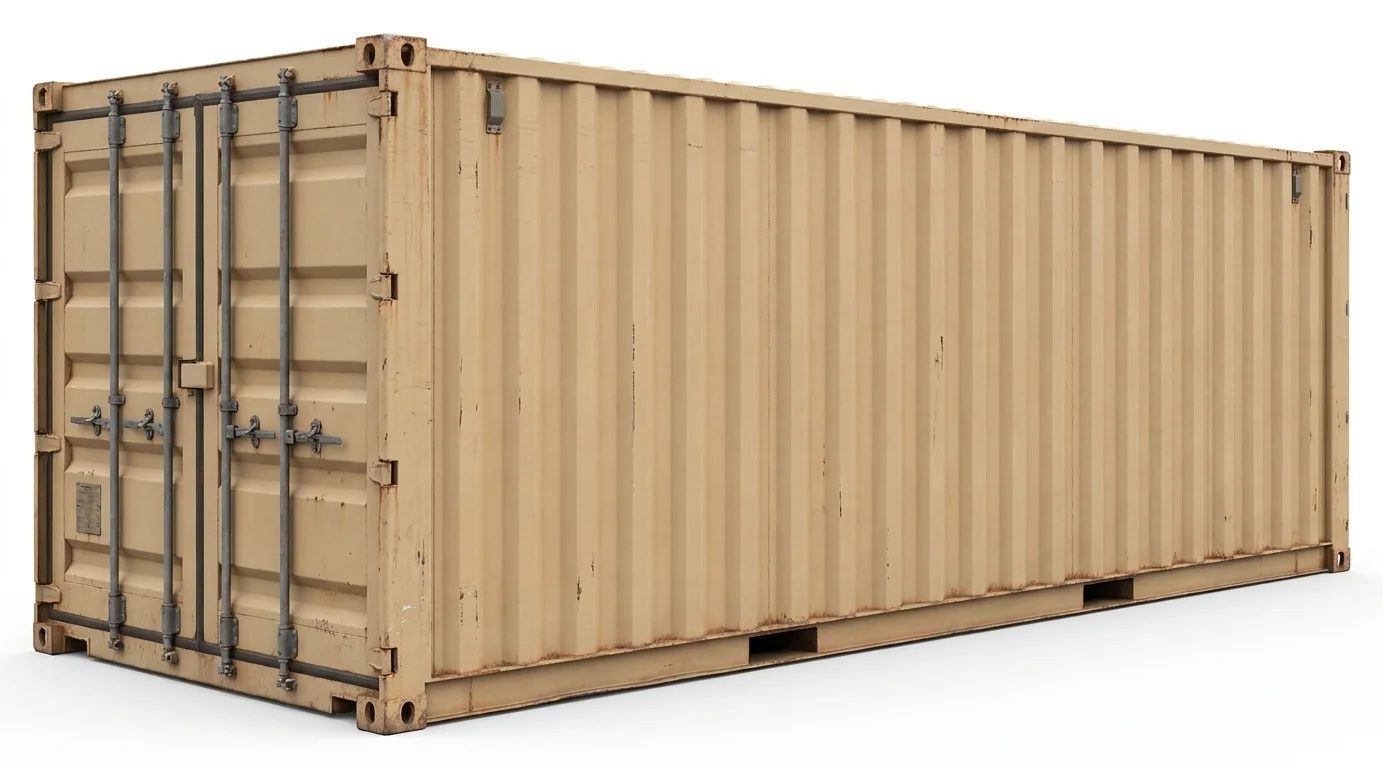
In local distribution buildings and tech facilities, long components, palletized parts, and sensitive equipment drive layout choices. Determine: - Interior clear height for racking or tall crates - Door style: standard cargo doors vs. wider access needs - Security expectations when containers sit near public sidewalks or active road work If items transfer directly from forklifts or telehandlers, check turning radius and fork heights. For material handling comparisons, see /forklift-rental/ and /telehandler-rental/.
Weather and ventilation
The regional climate brings damp conditions that can build condensation inside closed containers. Where sensitive materials are staged near riverside or hillside sites, airflow features and desiccant planning influence configuration more than size alone.
Access routes in a city of inclines
Some jobs require threading under low structures or crossing posted bridges. Container length and truck type can change based on those constraints. Shorter units may reach hillside lots more reliably, while longer boxes fit better in flat laydown yards near industrial corridors.
Working alongside lifts
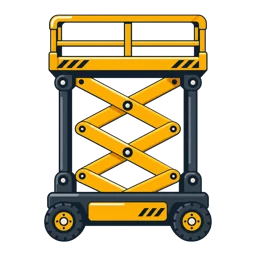
Containers often anchor tool storage for aerial crews. Keep door swings and staging lanes clear of boom tails and scissor approach zones. If the container supports indoor slab work, coordinate locations with /electric-scissor-lift-rental/ and /vertical-mast-lift-rental/ to reduce travel time.