Reach-first planning
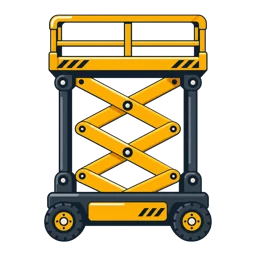
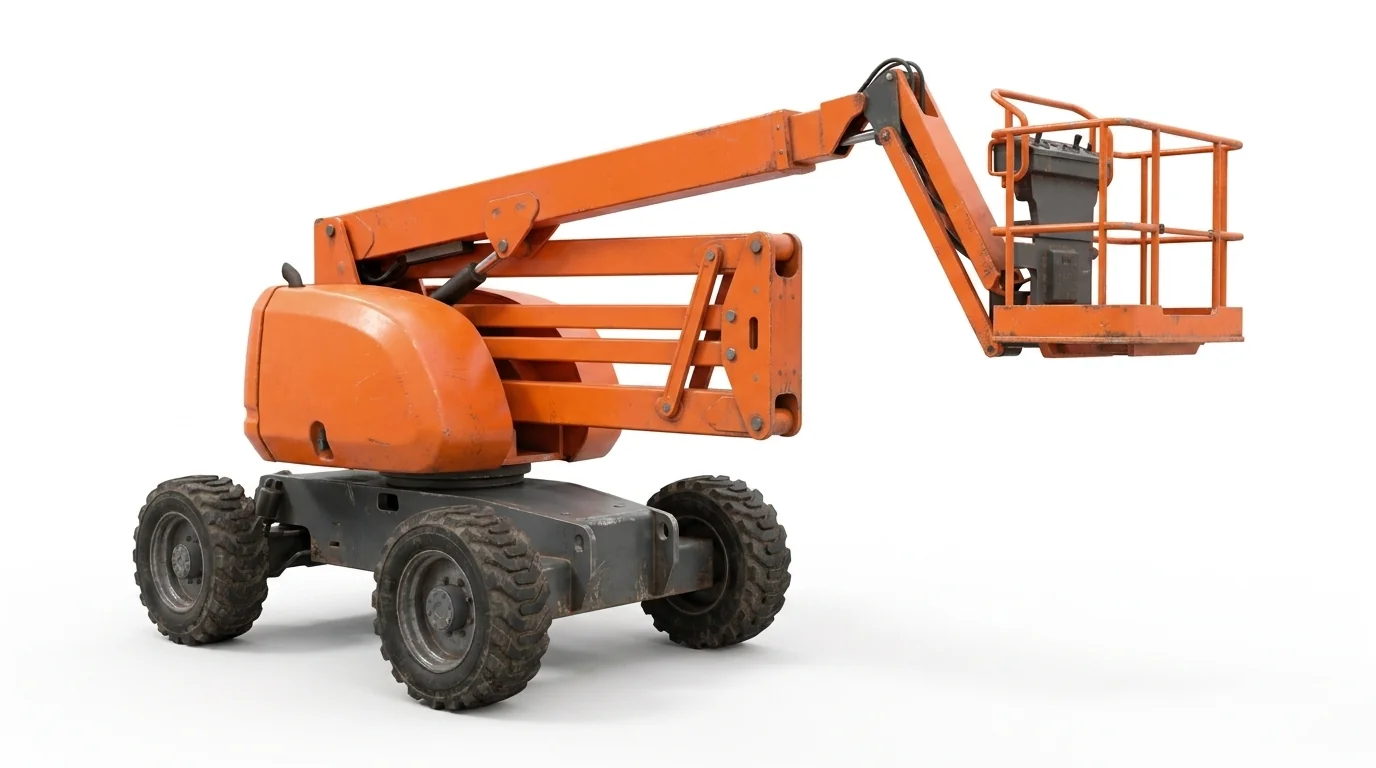
If the work front sits well beyond the closest stable setup zone, a straight boom’s horizontal reach can place the platform where scissor lifts or mast lifts cannot. Confirm: - Horizontal distance from the pad to the work face - Required platform height and any overhead clearance limits - Safe setup area width for the boom’s tail swing and counterweight
Pittsburgh factors that influence the choice
- Hilly lots and fill soils: Graded yards and backfilled edges demand attention to surface firmness. Rough-terrain models with appropriate tires and oscillation are common outdoors in the regional climate.
- Access via constrained routes: Approaches near structures and crossings can limit transport size. Sometimes a shorter straight boom staged closer is more practical than a taller unit held back by delivery limits.
- Weather windows: Frequent precipitation leaves rutted or slick ground. Traction features and ground clearance influence whether a straight boom can reach the pad after rain.
Tradeoffs versus articulating booms
- Obstacle navigation: If you must go up-and-over a parapet or around fixed equipment, consider /articulating-boom-lift-rental/.
- Speed and outreach: For façade work, steel erection, and long spans over open ground, telescopic models typically provide faster positioning and greater horizontal reach.
- Footprint: Expect a larger tail swing and higher transport weight than comparable knuckle booms; confirm staging room on Pittsburgh’s tight urban lots.
Related categories
- Need a work platform without long outreach? See /rough-terrain-scissor-lift-rental/ for exterior slab or graded pads.
- For indoor maintenance or compact up-and-over tasks, visit /vertical-mast-lift-rental/ or /articulating-boom-lift-rental/.
Actual site conditions, the selected unit’s instructions, and job procedures govern what is permissible at height.