Articulating vs. telescopic: which geometry fits?
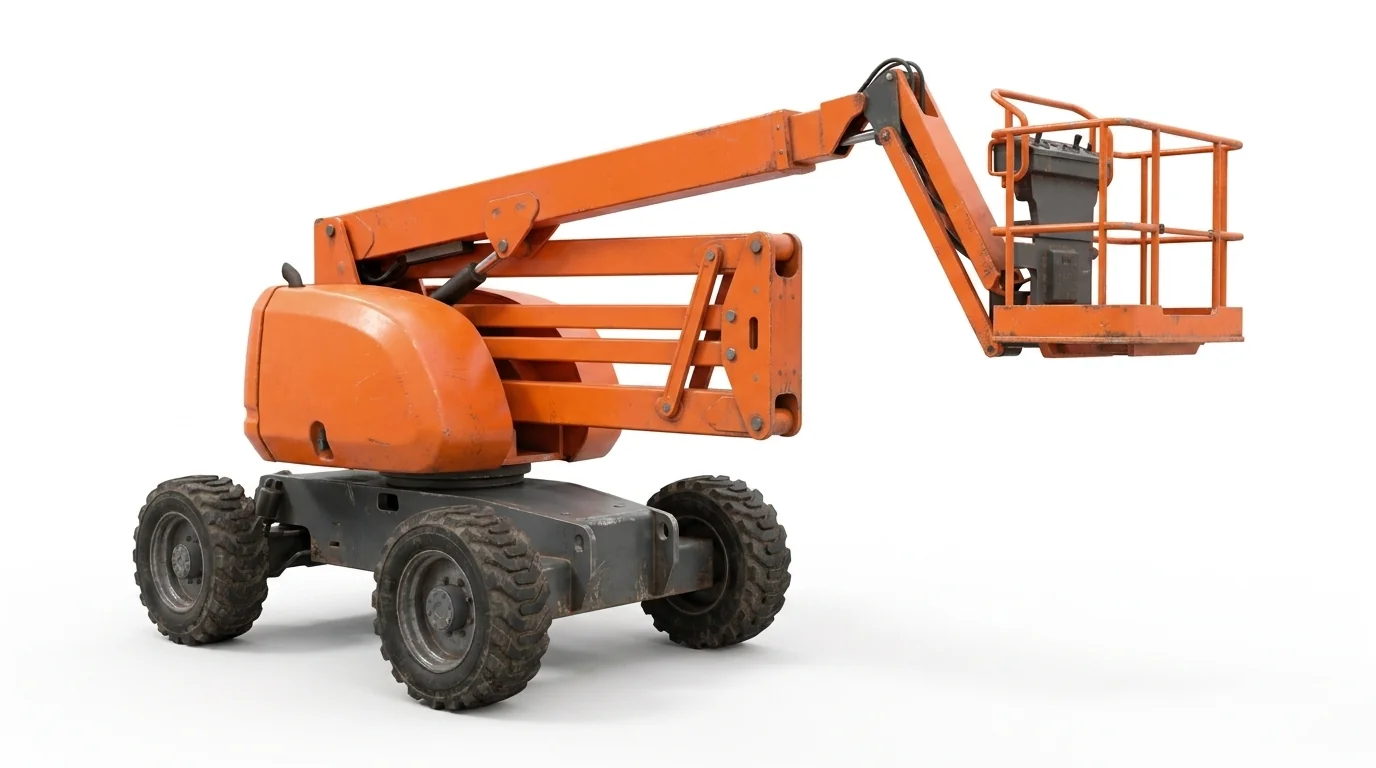
- Articulating boom: multiple joints for up‑and‑over access above conveyors, façade projections, and railings. Useful where the machine must work close to an obstacle.
- Telescopic boom: straight sections for longer horizontal reach across open yards, laydown areas, or waterfront approaches where setback distance is unavoidable.
Pittsburgh conditions that reshape planning
- Sloped streets and crowned jobsites influence grade handling from the curb to setup. Shorter wheelbases and better approach angles can matter more than maximum height.
- After precipitation, soft or slick ground favors models with suitable traction and ground pressure. Where surfaces are finished, non‑marking tires and narrow widths protect interiors and loading docks.
- Bridge clearances and posted limits along likely delivery routes may nudge selection toward compact booms or different staging points.
Sizing the boom
- Working height and required horizontal reach define the envelope. Map the stand‑off distance forced by landscaping, utilities, or setbacks, then check whether articulation or straight reach covers the target elevation.
- Platform capacity should reflect crew size and tooling like welders, fixtures, or panel handling aids within the model’s rated limits.
Actual site conditions, the selected unit’s instructions, and job procedures govern exterior or elevated work.